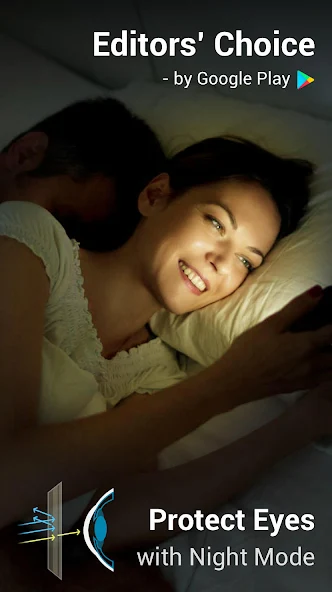
In our hyper-connected world, our eyes are glued to screens from the moment we wake up until we finally close them at night. This constant exposure comes at a cost, often manifesting as eye strain, fatigue, and even disrupted sleep patterns. The culprit is often blue light, a high-energy, short-wavelength light emitted by our smartphones, tablets, and computer screens. While some exposure is natural, the sheer volume and timing of our screen time have created a public health challenge. Enter the aptly named "Blue Light Filter" app, a simple but effective tool designed to protect our vision and improve our sleep. With a stellar 4.8-star rating from nearly 400,000 users, it's clear this app has struck a chord with people seeking a healthier relationship with their devices.
The science behind the app is straightforward and well-documented. Blue light, particularly in the 380-550nm wavelength range, is known to suppress the production of melatonin, the hormone that regulates our sleep-wake cycle. By filtering out this harsh light, the app mimics the natural transition to warmer tones, helping our brains prepare for rest. The app's primary function is to overlay a color filter on your screen that reduces blue light emission, shifting the display to a warmer, more amber hue. This not only makes nighttime viewing more comfortable but is also believed to help reduce the risk of long-term retinal damage .
Beyond Simple Dimming: A Tool for Comfort
While many phones now include built-in "Night Mode" or "Night Shift" features, the Blue Light Filter app offers a level of control and consistency that many users find superior. It operates as an overlay that sits on top of all your apps, ensuring that the blue light reduction is consistently applied whether you're reading an article, scrolling social media, or playing a game. The app allows you to adjust the intensity of the filter, meaning you can customize the warmth of the screen to your personal preference, from a subtle tint to a deep, orange glow. It also serves a dual purpose as a great tool for saving battery life, as the darker screen tones can reduce power consumption on some displays.
Key Features at a Glance
- Blue Light Reduction: Filters out harmful blue light to reduce eye strain and protect vision.
- Adjustable Intensity: Customize the filter's strength to suit your environment and comfort.
- Battery Saver: The screen overlay can help reduce power consumption on certain devices.
- Easy to Use: A simple toggle in your notification bar allows for quick activation and deactivation.
- Universal Coverage: Works as an overlay on all apps and screens.
The User Experience: High Marks and a Few Frustrations
The user feedback overwhelmingly supports the app's effectiveness. Reviews are filled with users describing it as "a great app," "excellent," and "very useful." Many appreciate the ability to fine-tune the color temperature, noting that the warmer tones make viewing in the dark much more pleasant and help them fall asleep more easily. The convenience of a quick toggle in the notification shade is also a frequently praised feature, allowing users to enable or disable the filter with a single tap.
However, the app's reliance on Android's accessibility services is a point of friction for some users. To function as an overlay on top of other apps, the app needs this permission. Some users have reported that this setting can interfere with the installation of apps from third-party sources, as the overlay can block the "Install" button. Similarly, it can also affect screenshots, as the overlay will be captured in the image. The developers have helpfully included a tip to temporarily pause the filter during installations or when taking screenshots, acknowledging this limitation. While a bit inconvenient, this is a necessary workaround for the app's core functionality.
The Verdict: A Simple, Essential Tool for the Screen Age
The Blue Light Filter app is a textbook example of a utility that does one thing and does it well. It is not a complex piece of software, but it addresses a fundamental modern problem: digital eye strain. For anyone who spends a significant amount of time on their phone, especially in the evening, this app offers a tangible and immediate improvement in comfort. The ability to customize the filter's intensity means it can be tailored for different lighting conditions, from a subtle daytime tint to a strong night mode for bedtime reading.
The minor inconveniences caused by the accessibility overlay are far outweighed by the benefits of blue light reduction for many users. It's a small price to pay for a more comfortable and healthier relationship with your device. In a world where giving up our screens is not an option, tools like this are invaluable. For a simple, effective, and highly-rated way to protect your eyes and improve your sleep, this app is a must-have addition to any smartphone. It offers a simple, affordable solution to an increasingly prevalent problem in our digital age.